













Dia de is reyes is a Christian holiday mainly celebrated in a large majority of Latin America and parts of the Caribbean. It originated in Spain during the medieval era. It is celebrated when Los Tres Reyes bring gifts on camels for baby Jesus. They celebrate on January 6. Some traditions have offerings for the Reyes Magos, such as grass and water for the camels or some type of gift. Another tradition every year for children is to write letters to the Reyes Magos, similar to how kids in the United States write to Santa. Popular dishes vary from country to country, and not everyone celebrates the same way. One commonality is that the entire family gathers for a celebration, eating Rosca de Reyes and drinking hot chocolate.

(Mary Overland)
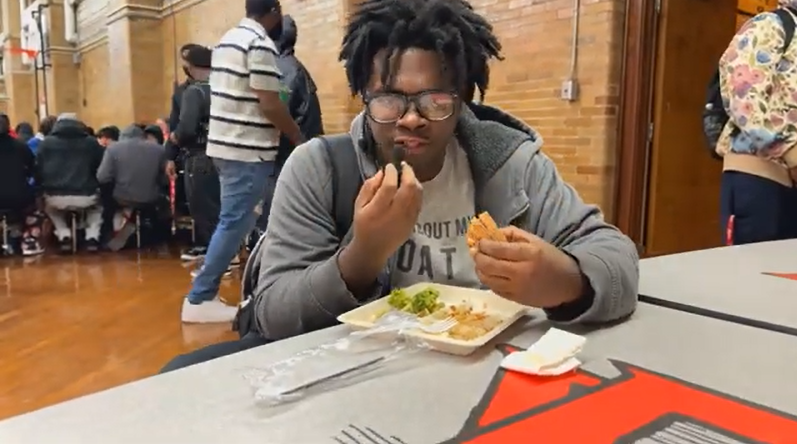
In Ms. Sosa’s Spanish class, she not only teaches students about the language but also the cultures as well. She brought chocolate caliente with Rosca de Reyes for each of her classes. After explaining what the holiday is and the traditions, she slices the bread into parts, joking that the students who receive the baby Jesus will have to bring her Tamales. She also tells her class that the hot chocolate she brought is different from the traditional American hot chocolate as well, as they may not like the Rosca de Reyes she brought. She tells her students that it is okay if they don’t like it, and she is just proud that they are trying something new from a different culture.
Rosca de Reyes
Rosca de Reyes is a sweet bread with candied fruit on it. It is eaten on January 6th along with Chocolate Caliente. The bread is oval to symbolize how God’s love is never-ending. A tradition every year is that a small plastic baby is put into the bread. The baby is supposed to be baby Jesus. Whoever serves the slice with the baby Jesus in it is in charge of making tamales for another holiday on February 2nd. Ms. Sosa’s classes are not exempt from this tradition, and a few students find their own baby Jesus in their bread.

(Mary Overland)
Puerto Rico
Students are still on winter break in Puerto Rico until the second week of January. In Puerto Rico, on the night of January 5th, the children collect grass or leaves and put them in a box under their bed or next to their shoes as a gift for the three Kings’ camels. Many kids also write little notes or talk about what they hope to receive the next day. When they wake up the next morning, they rush to see what the kings left, typically small presents, candy, or toys. It’s a warm, joyful tradition that makes children feel connected to their family and culture.
Mexico
In Mexico, they focus a lot on family food and tradition. One of the most important parts of the celebration is the Rosca de Reyes, a sweet round bread decorated with colorful fruit that represents the crown of the three kings. Hidden inside the bread is a small baby figurine that symbolizes baby Jesus. When the bread is cut, whoever finds a baby is responsible for hosting a gathering on February 2, Día de la Candelaria, where they usually serve tamales to everyone. This tradition brings people together, mixing food, faith, and celebration in a fun and meaningful way.
At Bay View High School, our students get a taste of the joyous holiday in Ms. Sosa’s Spanish classes. Students being able to experience other cultures is very important, and Ms. Sosa definitely leads this. She teaches the students that even if they don’t enjoy or like the food, it is still important that they try it and be respectful when sharing their opinions. Next time January 6th comes around, make sure to tell your friends and family, “!Feliz Dia de Reyes!”

(Mary Overland)


