






















Eid is a very special and meaningful holiday for Muslim people around the world. It is a day filled with joy, gratitude, family gatherings, and spiritual reflection. For Muslims, Eid is not just a celebration — it represents the completion of an important religious journey. Even though it is one of the most important days in Islam, many Muslim students are still required to attend school, while other religious holidays are recognized with official breaks. This feels unfair and unequal.
To understand why Eid matters, it is important to first look at Ramadan. Ramadan is the ninth and holiest month of the Islamic calendar. During this month, Muslims fast every day from dawn to sunset for 29 or 30 days. Fasting means not eating or drinking during daylight hours. However, Ramadan is not only about staying away from food and water. It is also about self-control, patience, kindness, and strengthening one’s relationship with God. Muslims spend more time praying, reading the Quran, giving charity, and helping others. It is a time of spiritual growth and reflection. Fasting also teaches empathy for people who struggle with hunger and poverty.
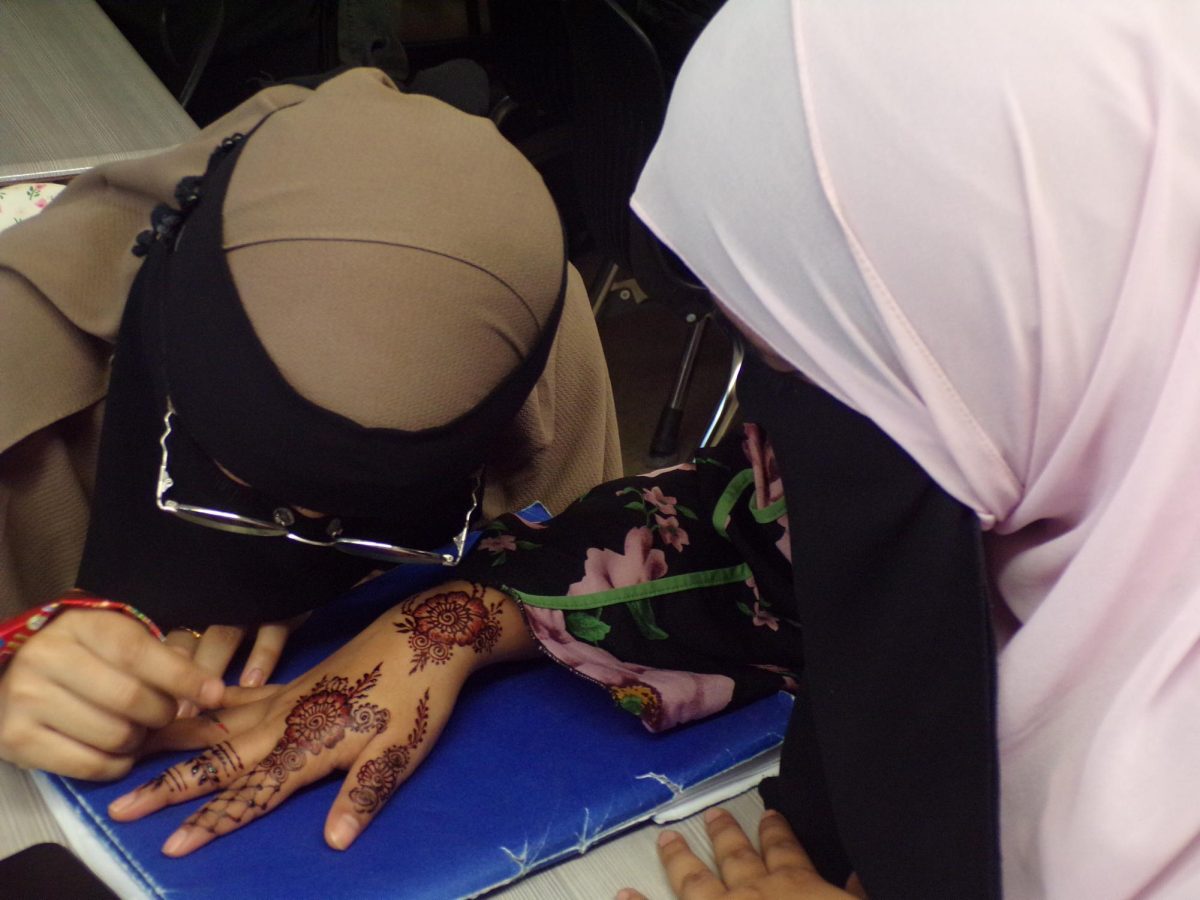
After this month of sacrifice comes celebration. Eid al-Fitr marks the end of Ramadan and is one of the most important holidays in Islam. The day begins with a special group prayer at mosques or open spaces. People wake up early, wear new or clean clothes and gather with their community. Families visit relatives, share meals, give gifts — especially to children — and donate to those in need. Charity is a key part of Eid, ensuring that everyone can celebrate.
Across the world, traditions may differ, but the meaning stays the same. Eid takes place in the Islamic month of Shawwal, immediately after Ramadan ends. Families prepare special foods, homes are decorated, and communities come together. The message of Eid remains consistent: gratitude, generosity, unity, and strong family bonds.
However, for many students, celebrating is not so simple. Muslim students often have to choose between attending school and observing an important religious holiday. Some miss school and fall behind, while others attend and miss out on prayers and family traditions. This places Muslim students in a difficult position.
This issue is gaining attention across the country. Cities such as New York City, the state of New Jersey, and Houston have recognized Eid as a school holiday. These decisions reflect respect for diversity and acknowledge the importance of inclusion in schools.
At Bay View, students are also speaking up. A student survey showed that 92.9% of respondents believe Eid should be recognized as an official school holiday.
Bay View student Siti Zarina said, “Our school should be a place where every student’s holiday is recognized, respected, and celebrated so everyone feels seen and valued.”
Another student, Nur Magidah Binti Mohamad Ali, added, “As a Muslim, Eid and Ramadan are the only holidays, but there is another holiday related to Eid as well. I want public schools to recognize our holiday because it is just like any other holiday. Even if different religions celebrate different holidays, they should still be considered.”
Ultimately, the issue comes down to fairness and inclusion. Schools should be places where all students feel respected and valued. Recognizing Eid as an official holiday would send a strong message that Muslim students matter.
In conclusion, Eid is a deeply meaningful celebration that follows a month of discipline and reflection. Muslim students deserve the same opportunity as others to celebrate their religious holidays without worrying about school. Recognizing Eid would be an important step toward inclusion, respect and equality for all students.